%2Ffit-in%2F250x250%2Fguide_websites%2F19690%2Fimages%2F1731697946322baykin.png&w=1920&q=100)
/users/b1e830b6-13b1-44fc-8fe1-dd49d4c34f37/pagedata/1-mt2gjyep.webp)
%2F300x300%2Fusers%2Fb1e830b6-13b1-44fc-8fe1-dd49d4c34f37%2Fpagedata%2F1-mt2gjyep.webp&w=256&q=75)
%2F300x300%2Fusers%2Fb1e830b6-13b1-44fc-8fe1-dd49d4c34f37%2Fimages%2Ffishing-adventure-in-mi-2531.jpeg&w=256&q=75)
%2F300x300%2Fusers%2Fb1e830b6-13b1-44fc-8fe1-dd49d4c34f37%2Fimages%2Ffishing-trip-in-mi-2364.jpg&w=256&q=75)
%2F300x300%2Fusers%2Fb1e830b6-13b1-44fc-8fe1-dd49d4c34f37%2Fimages%2Fsouth-haven-fishing-scene-2428.jpg&w=256&q=75)
%2F300x300%2Fusers%2Fb1e830b6-13b1-44fc-8fe1-dd49d4c34f37%2Fimages%2Fcoho-salmon-south-haven-fishing-2723.jpg&w=256&q=75)
%2F300x300%2Fusers%2Fb1e830b6-13b1-44fc-8fe1-dd49d4c34f37%2Fimages%2Ftwo-bluefish-fishing-mi-2390.jpg&w=256&q=75)
%2F300x300%2Fusers%2Fb1e830b6-13b1-44fc-8fe1-dd49d4c34f37%2Fimages%2Fsouth-haven-fishing-trip-2457.jpg&w=256&q=75)
%2F300x300%2Fusers%2Fb1e830b6-13b1-44fc-8fe1-dd49d4c34f37%2Fimages%2Fchinook-salmon-south-haven-2439.jpg&w=256&q=75)
Beginner-Friendly Lake Michigan Fishing Charter
 Lake Michigan
What you will be catching:
 Chinook Salmon
 Coho Salmon
 Lake Trout
 Steelhead Trout
- 6-hour Lake Michigan fishing experience for up to 6 passengers
- Complete gear package included with experienced crew instruction
- Beginner-friendly trolling for salmon, lake trout, and steelhead
Trip Pricing and Availabilities:
Half Day Salmon & Trout Fishing on Lake Michigan
Looking for a solid introduction to Great Lakes fishing without the pressure? This 6-hour Lake Michigan charter with Maykin Baykin Charters hits the sweet spot for beginners and families who want to get their lines wet. Captain and crew know these waters inside and out, and they're genuinely excited to help first-timers land their personal best. You'll be targeting some of the lake's most popular species – Coho and Chinook salmon, plus Steelhead and Lake Trout – using proven trolling methods that consistently produce fish. The boat handles up to 6 people comfortably, so bring the whole crew. All your gear is included, which means you can focus on learning the ropes instead of worrying about what tackle to bring.
What to Expect on the Water
This trip runs at a relaxed pace that's perfect for getting your bearings on big water. Lake Michigan can feel intimidating if you've only fished smaller lakes or rivers, but the captain will ease you into it. You'll start by learning how the trolling setup works – multiple rods running at different depths with downriggers and planer boards to cover more water. Don't worry if that sounds complicated; the crew handles all the technical stuff while teaching you the basics. The boat stays within comfortable range of shore, usually working depths between 40 and 120 feet where the salmon and trout cruise. Expect steady action rather than non-stop chaos – that's actually better for beginners because you'll have time to practice your technique between fish. The crew is patient with tangles, missed hooksets, and all the other learning moments that come with getting started.
Trolling Tactics That Work
Trolling is the name of the game out here, and it's honestly the most effective way to cover water and find active fish. The setup involves running multiple lines at various depths using downriggers – those are the cable systems that get your bait down deep where the fish are hanging out. You'll also see planer boards in action, which pull lines out to the sides of the boat so you can cover even more territory. Popular lures include spoons, plugs, and flasher-fly combinations that mimic the baitfish these salmon and trout are feeding on. The captain reads the fish finder constantly, adjusting depths and speeds based on what's showing up on screen. Water temperature plays a huge role too – these fish are looking for that thermocline where the water temperature drops off. Most of your fishing happens between 1.8 and 2.8 mph, which feels slow but is exactly what triggers strikes from these species.
Species You'll Want to Hook
Coho Salmon are absolute crowd-pleasers and probably your best bet for consistent action. These silver rockets typically run between 3 and 8 pounds, though bigger ones show up regularly. They're most active from late spring through early fall, with peak action happening in summer months when they're feeding heavily in the upper water column. What makes Cohos special is their acrobatic fighting style – they'll jump, run, and do everything possible to throw your hook. They're also excellent table fare with firm, flaky meat that's not too fishy. For beginners, Cohos are perfect because they're aggressive biters and forgiving to fight.
Steelhead Trout are the lake's premier fighting fish, and hooking one is guaranteed to get your adrenaline pumping. These chrome-bright beauties average 5 to 12 pounds but can push much bigger. They're available year-round but really turn on during spring and fall migrations when they're staging near river mouths. Steelhead have this reputation for being moody, but when they're biting, they commit fully. Their runs are legendary – long, powerful, and often punctuated by spectacular jumps. The meat is outstanding, with a clean taste that converts people who think they don't like fish. Landing your first Steelhead is a fishing milestone that hooks people for life.
Chinook Salmon are the kings of Lake Michigan, literally and figuratively. These bruisers commonly hit 15 to 25 pounds, with 30-pounders showing up often enough to keep things interesting. Peak season runs from late spring through early fall, with the biggest fish typically caught during summer months when they're feeding aggressively in deeper water. Kings fight differently than Cohos – less jumping, more bulldogging power that tests your patience and drag system. They're incredibly strong and will use every trick in the book to break you off. The payoff is worth it though; Chinook salmon provide some of the best eating you'll find in freshwater, with rich, firm meat that's perfect for grilling or smoking.
Lake Trout are the natives here, and they offer a different kind of challenge that many anglers find addictive. These deep-water specialists typically range from 3 to 15 pounds, though true giants over 20 pounds still swim these depths. They're most active in cooler months and during summer when they retreat to deeper, colder water. Lakers have a distinctive fighting style – they don't jump like salmon, but they're incredibly strong and stubborn once hooked. They'll sound toward the bottom and use their weight against you. The meat is rich and oily, perfect for smoking. Many local anglers consider Lake Trout the ultimate Great Lakes species because they're the original residents and offer consistent action when salmon fishing slows down.
Time to Book Your Spot
This half-day trip delivers exactly what beginning anglers need – patient instruction, steady fish action, and the confidence that comes from a successful day on the water. Maykin Baykin Charters has built their reputation on creating positive first experiences that turn people into lifelong Great Lakes fishing enthusiasts. The 6-person capacity means your group gets personalized attention without feeling crowded, and the included gear eliminates the guesswork of what to bring. Remember that deposits are non-refundable, so check the weather forecast and your schedule before committing. Lake Michigan fishing is weather-dependent, but the captain will work with you to find conditions that are both safe and productive. Whether you're looking to start a new hobby, entertain visiting family, or just enjoy a relaxing day catching fish, this trip checks all the boxes. Book your spot and get ready to see why so many people fall in love with Great Lakes fishing.
Learn more about the species
Chinook Salmon
Chinook salmon, the "kings" of Lake Michigan, are the biggest salmon we target - averaging 15-20 pounds with some pushing 30+. These silver-sided bruisers have black spots on their backs, fins, and inside their mouths. Kings are light-shy and spend most of their time in deeper water, which is why we troll with downriggers to get lures down 50-100+ feet. They're powerful fighters that make long, bulldogging runs rather than jumping like coho. The reddish-pink meat is top-shelf eating. Spring through early summer is prime time when they're feeding heavily on alewives and other baitfish. Key tip: kings have soft mouths, so don't horse them - steady pressure and patience wins. When they decide to run, just hang on and let the drag do its job.
Coho Salmon
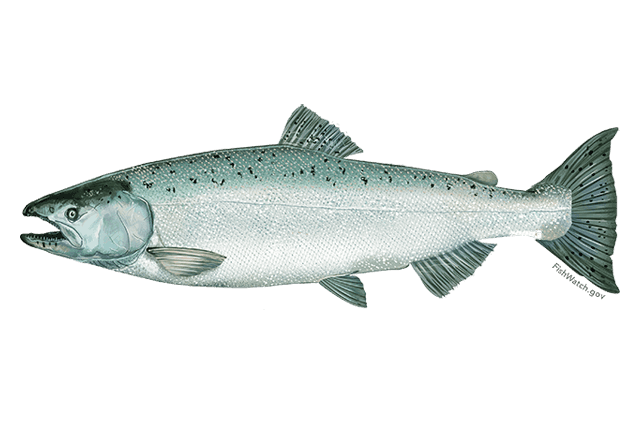
Coho salmon, or "silvers" as we call them, are some of the most acrobatic fish you'll hook in Lake Michigan. These beauties average 8-12 pounds with dark blue-green backs and bright silver sides that flash when they jump - and they will jump, sometimes 6 feet straight up! We typically find them suspended in mid-water during spring and fall when water temps are cooler. What makes coho special is their aggressive nature and willingness to hit lures, making them perfect for beginners. The meat is bright orange and tastes fantastic. Pro tip: when you hook one, keep steady pressure but let them run - their acrobatics often shake loose hooks if you fight them too hard. Spring through early summer offers the best action.
Lake Trout
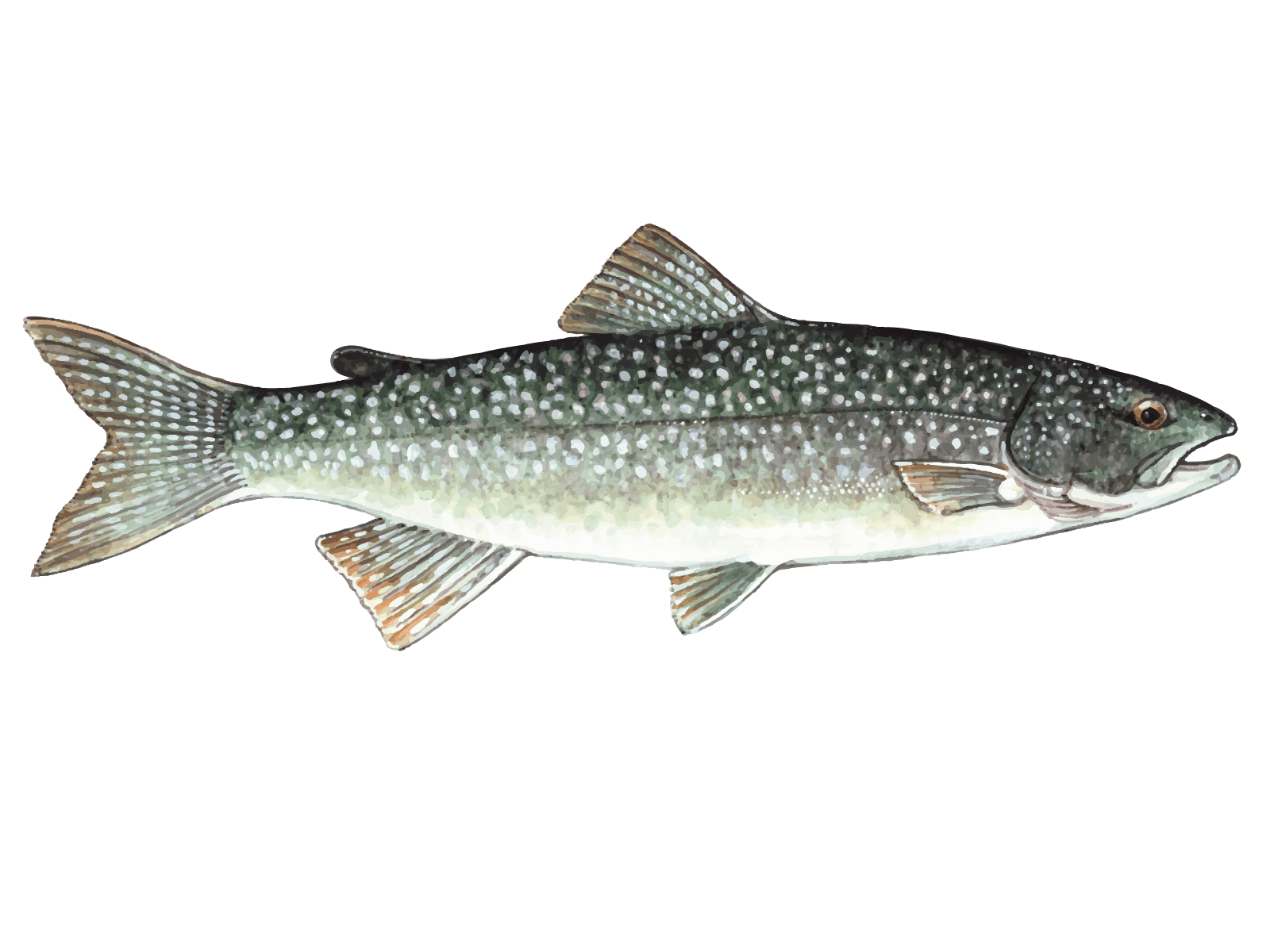
Lake trout are the deep-water giants of our fishery, often called "lakers" by locals. These grey-green fish with cream-colored spots are the largest char species and can reach 20-40 pounds in Lake Michigan's cold depths. They live in the deepest, coldest parts of the lake year-round, usually 80+ feet down in summer. Lakers are steady, powerful fighters that don't jump but pull hard with their broad tails. The firm, flaky meat is excellent eating. Spring right after ice-out and fall are best when they move shallower to feed. We target them with heavy jigs, spoons, and downrigger trolling. Local trick: lakers love overcast, low-light conditions when they feed more actively. Use bright lures in dark water - chartreuse and orange work great to trigger strikes from these deep dwellers.
Steelhead Trout
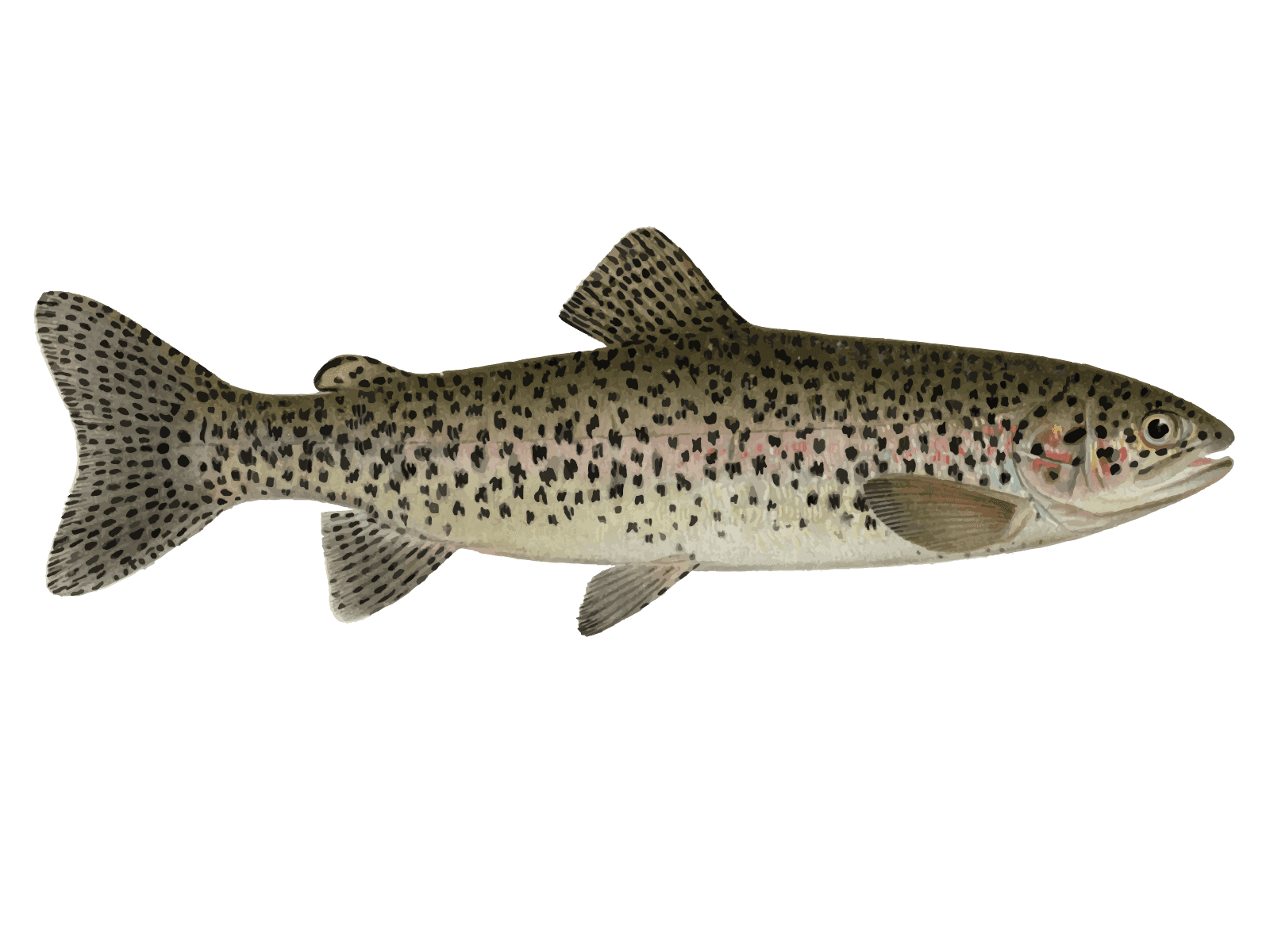
Steelhead are basically rainbow trout that have lived in the big lake - they're the same species but steelhead grow much larger and fight harder. These silver torpedoes average 24 inches but can push 45 inches and over 20 pounds. They prefer cooler water and we often find them suspended or near structure during spring and fall. What sets steelhead apart is their raw power and stamina - they'll make long runs and jump repeatedly. The streamlined, chrome-bright fish are prized for both their fight and excellent eating quality. Best fishing happens mid-fall through spring when water temps drop. Here's a local secret: steelhead are light-sensitive, so overcast days or early morning/evening sessions often produce the hottest action when they're actively feeding.
About the Blackfin
%2F%2Fusers%2Fb1e830b6-13b1-44fc-8fe1-dd49d4c34f37%2Fvehicle_picture%2Fimage-2024-11-12t204342.195.png&w=1920&q=75)
Vehicle Guest Capacity: 6
Manufacturer Name: Crusader
Maximum Cruising Speed: 27
Number of Engines: 2
Horsepower per Engine: 330
This 6-hour Lake Michigan fishing adventure is perfect for newcomers wanting to try their hand at catching Salmon, Lake Trout, and Steelhead. Our experienced crew keeps things relaxed while teaching you the ropes of trolling these productive waters. The boat fits up to 6 people comfortably, and we provide all the rods, reels, and tackle you'll need. Whether you're bringing the family or just looking for a chill day on the water, this trip offers steady fishing action without any pressure. The crew focuses on making sure everyone feels confident and has fun learning basic techniques. It's a great way to spend time outdoors while trying something new on one of the Great Lakes. Perfect for anyone curious about freshwater fishing but not sure where to start.